Pull up two different market trackers for Argyle's 76226 zip code this summer and you'll get two numbers that don't belong in the same conversation. One puts the median sale price near $599,000 as of mid-2026. Another, using HAR's July 2026 figures, puts the average at $920,988, or $251 a square foot. Neither source made an error. They're both measuring something real. They're just measuring different neighborhoods that happen to share a mailing address.
That gap is the whole story if you're shopping in Argyle right now. The median price you see quoted on any given day tells you almost nothing about what a specific property will cost you to own, because "Argyle" isn't one housing market wearing one price tag. It's at least four distinct products stacked inside a single zip code, each with its own tax structure, and a fifth one currently being built that doesn't show up in any of these numbers yet.
Why The Same Zip Code Produces Two Different Prices
The mismatch between $599,000 and $920,988 isn't a data quality problem. It's a mix problem. Whatever pool of closings each tracker pulled from that month happened to skew toward a different kind of house. A month heavy on new-construction closings in a master-planned community will read lower. A month with a run of five-acre estate sales will pull the average up fast, because Argyle's legacy acreage properties sell in the $1.5 million to $4 million range with land alone running over $26,000 an acre.
Inside the Town of Argyle proper specifically, the median sale price sat near $765,000 in early 2026, and homes there were moving in a median of 30 days. Zoom out to the full 76226 zip code, which includes newer subdivisions well outside town limits, and the median days on market stretched to 102 days over the same window. Same zip code, same season, a 3x difference in how fast homes moved. That's not noise. That's evidence you're looking at separate markets that got filed under one address.
The Four Stacks Hiding Under One Mailing Address
Strip away the zip code and what you actually find in Argyle are four distinct products, each with a different price range and a different tax bill attached to the same purchase price.
| Product | Typical price range | Tax situation |
|---|---|---|
| Legacy acreage (5-30+ acres) | $1.5M to $4M+ | ~1.70% effective rate, no MUD or PID |
| Custom in-town lots | $600,000s to $900,000+ | Argyle ISD, base town rate |
| Canyon Falls (MUD-taxed) | $600,000s to $950,000+ | ~2.54% effective rate |
| Harvest (ETJ, MUD-adjacent) | Starting under $400,000 | MUD assessments apply |
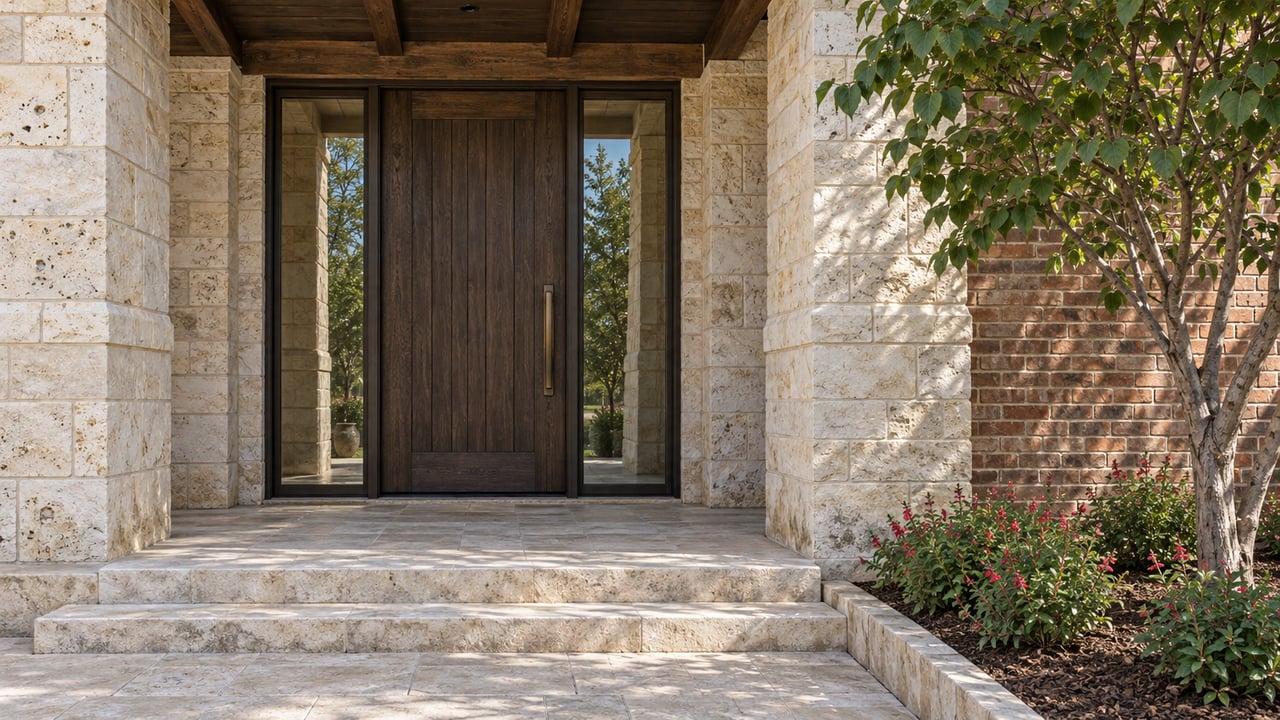
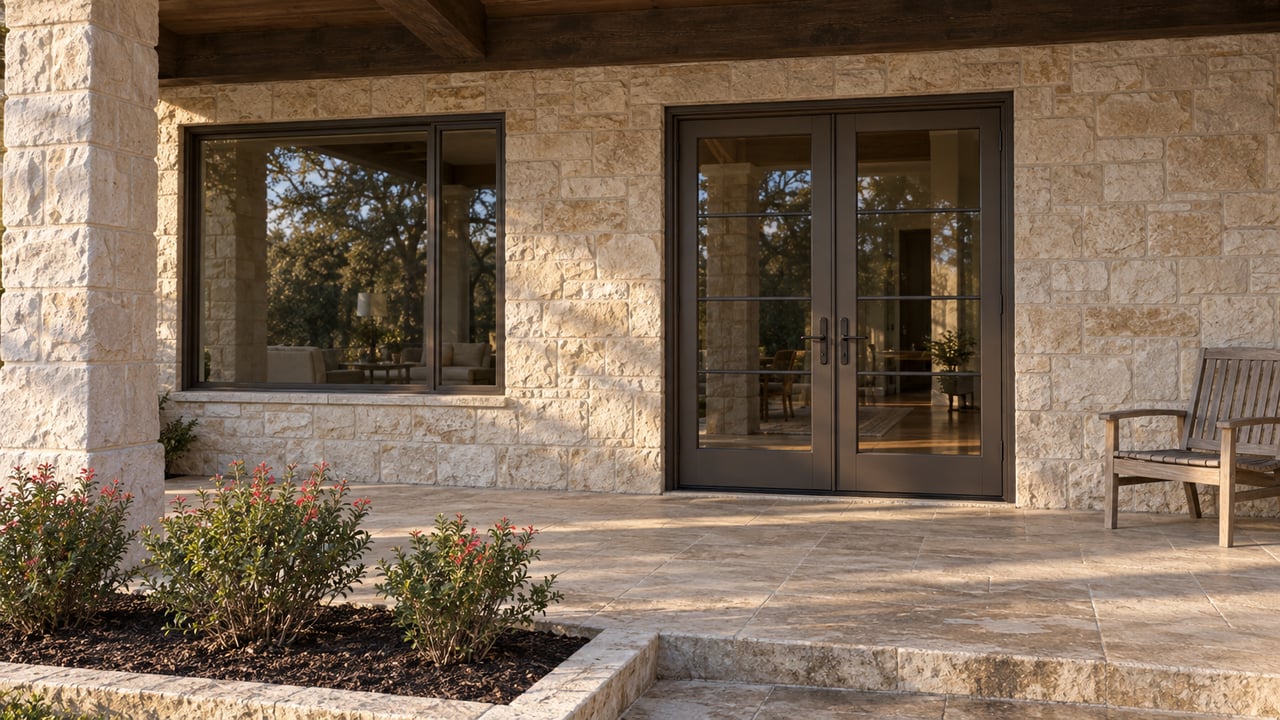
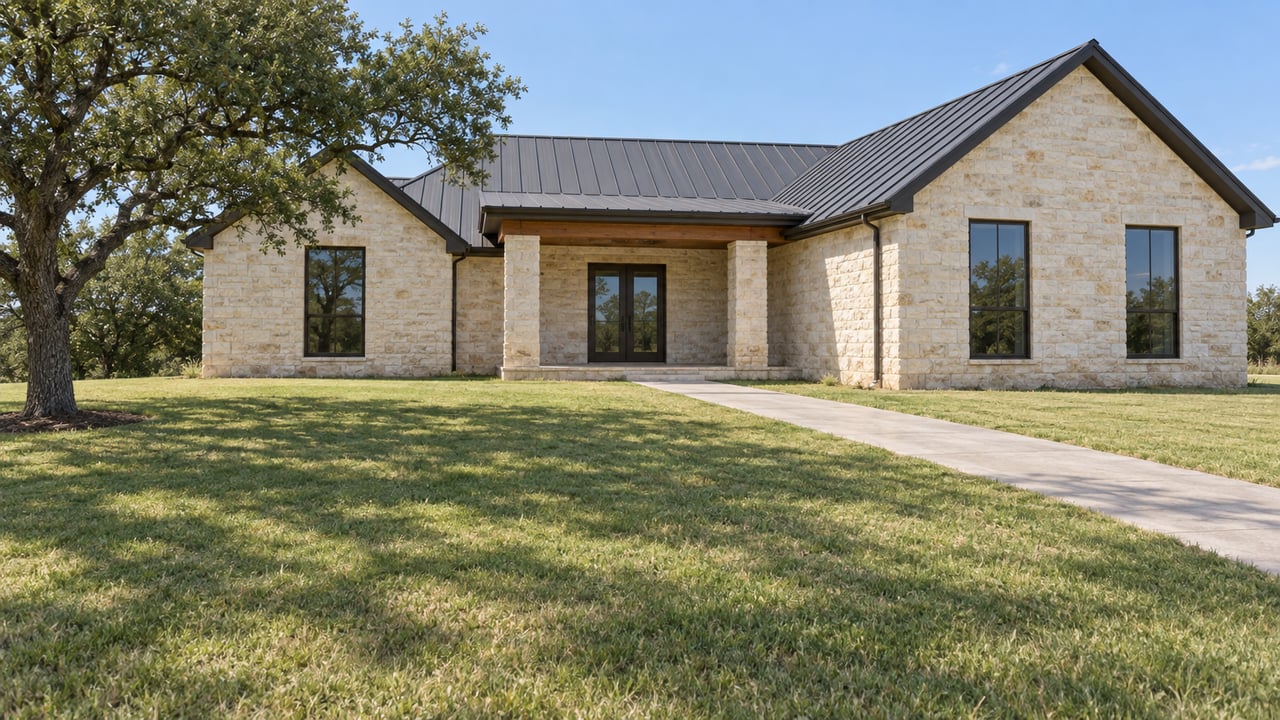
The legacy acreage tier is what most people picture when they hear "Argyle": horse barns, tree cover, no HOA, no MUD or PID because those bonds were never issued on land that's been in the same family for decades. That inventory is getting harder to find and commands a real premium precisely because it's not being replaced.
The custom in-town lots are the small-town alternative to acreage: tree-lined streets, individual builders, a character that reads as established rather than master-planned, still without the special-district tax overlay.
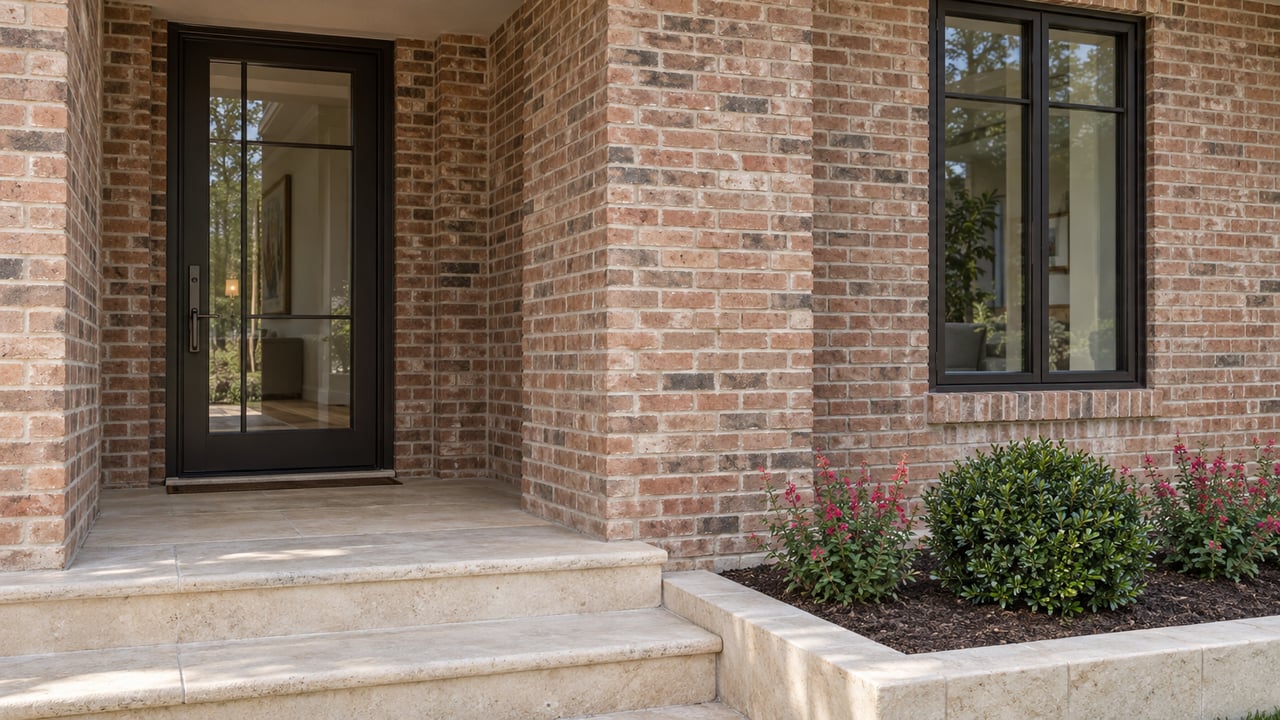
Canyon Falls sits on the Argyle-Flower Mound line and was roughly 80% built out as of early 2026, known for its rolling terrain and a canyon preserve running through the community. It carries a Municipal Utility District assessment that pushes the effective tax rate to around 2.54%.
Harvest, Hillwood's roughly 1,200-acre master-planned community anchored by Harvest Town Center, is projected to reach up to 4,000 homes at full build-out and starts well under the other three tiers. It sits in unincorporated territory, which means MUD-style assessments do the work that a city tax rate would otherwise do.
What The Same $650,000 Actually Costs
Here's the number that changes how you should read a listing price. A $650,000 home in Canyon Falls, at that 2.54% effective rate, runs approximately $16,510 a year in property tax. The same $650,000 home in older Argyle proper, at the 1.70% rate with no MUD or PID, runs approximately $11,050 a year. That's a difference of roughly $455 a month, or $5,460 a year, for a home that shows up on paper as the identical price.
Multiple sources tracking North Texas master-planned communities put the added burden from MUD or PID districts in a similar band, generally $4,000 to $7,000 a year on top of the base tax bill. That's not a rounding error against a mortgage payment. It's the difference between qualifying for a loan and not, or between a house that pencils out and one that doesn't once your lender runs the full debt-to-income math with taxes included.
None of this shows up in a median price headline. It shows up on the appraisal district record, where MUD, PID, and any water district lines appear as separate assessments, often not folded into the estimated tax figure a listing displays.
The Fifth Stack That Doesn't Exist Yet
There's a fifth product entering this equation that complicates the picture further, because its city limits don't line up with its school district at all. Furst Ranch is a 2,300-acre master-planned community at the intersection of US 377 and Cross Timbers Road that will eventually span three towns, Flower Mound, Bartonville, and Argyle itself, once it's fully built out. Every acre of it is zoned to Argyle ISD, a detail the district secured when it purchased 35 acres inside the development for $9.6 million in December 2024, with an option on 15 more, to build a future elementary and middle school campus.
Infrastructure work began in the fall of 2025 at an estimated cost near $29 million, and by January 12, 2026, Highland Homes had opened its first presales in the High Plains neighborhood. Coventry Homes followed with 50-foot lots priced from $559,990 to $672,990. David Weekley is selling from the $660s. Drees Custom Homes is pricing from $851,900 to $1,098,900. Toll Brothers plans two collections, the Grove Collection from the low $900s and the Meadow Collection from $1.1 million, with sales beginning summer 2026. H-E-B bought roughly 23 acres at the northeast corner of US 377 and FM 1171 in June 2025, and as of early 2026 the grocer still hadn't set a construction date.
What this means in practice: within a year or two, "Argyle ISD" will describe kids attending school from at least five different tax jurisdictions, at least three different cities, and a price spread from the high $500,000s to well past $1 million. A buyer comparing "Argyle" listings side by side may be comparing a Flower Mound tax bill against a Town of Argyle tax bill against an unincorporated MUD assessment, all under the same school district label.
Two Road Projects Are Also in the Works
The infrastructure catching up to this growth is itself mid-project, which matters for anyone weighing commute time as part of the decision. A $137 million widening of US 377 to a four-lane divided roadway was on track to break ground around mid-2026, with completion still years out. FM 407's planned expansion, 11.5 miles widened to six lanes between Argyle and Justin with a realignment to remove its sharper curves, was still in the planning and hearing phase as of early 2026.
Neither project changes today's drive time. Both are relevant if you're buying with a five-to-ten-year hold in mind, because the corridor you commute on now is not the corridor you'll be commuting on by the time a newer section of Furst Ranch or Harvest is fully built out.
How To Actually Use This
The lesson isn't that Argyle is overpriced or underpriced. It's that the word "Argyle" on a listing doesn't tell you which of five tax structures you're buying into, and the median price headline you saw on a portal was built from whatever mix of those five happened to close that month. Before you anchor an offer to a number you saw online, ask which product that number actually described, and pull the specific parcel's tax record to see whether a MUD, PID, or water district line sits underneath the base rate. A $30,000 difference in list price between two Argyle homes can be smaller than the tax delta between their jurisdictions over a ten-year hold.
Is Furst Ranch technically in Argyle? Part of it, along with slices of Flower Mound and Bartonville, but every home across all 2,300 acres is zoned to Argyle ISD regardless of which town's limits it falls inside.
Does a MUD tax ever go away? Yes, once the district's bonds are paid off, though that timeline typically runs 20 to 30 years and depends on how quickly the community's taxable value grows.
Why is Argyle Middle School becoming a second high school? Argyle ISD's enrollment grew 12.7% during the 2023-24 school year alone, and the district is converting its current middle school campus on US 377 into a second high school for the 2027-2028 school year to keep pace with that growth.
If you're weighing acreage in old Argyle against a new build in Harvest or Furst Ranch, the tax overlay and the closing timeline matter as much as the sticker price. The Agency - Ft. Worth can walk you through the actual jurisdiction map for a specific address before you write an offer. Get Home Value to start the conversation.
This article is general information, not legal, tax or financial advice. Consult a qualified professional about your situation.