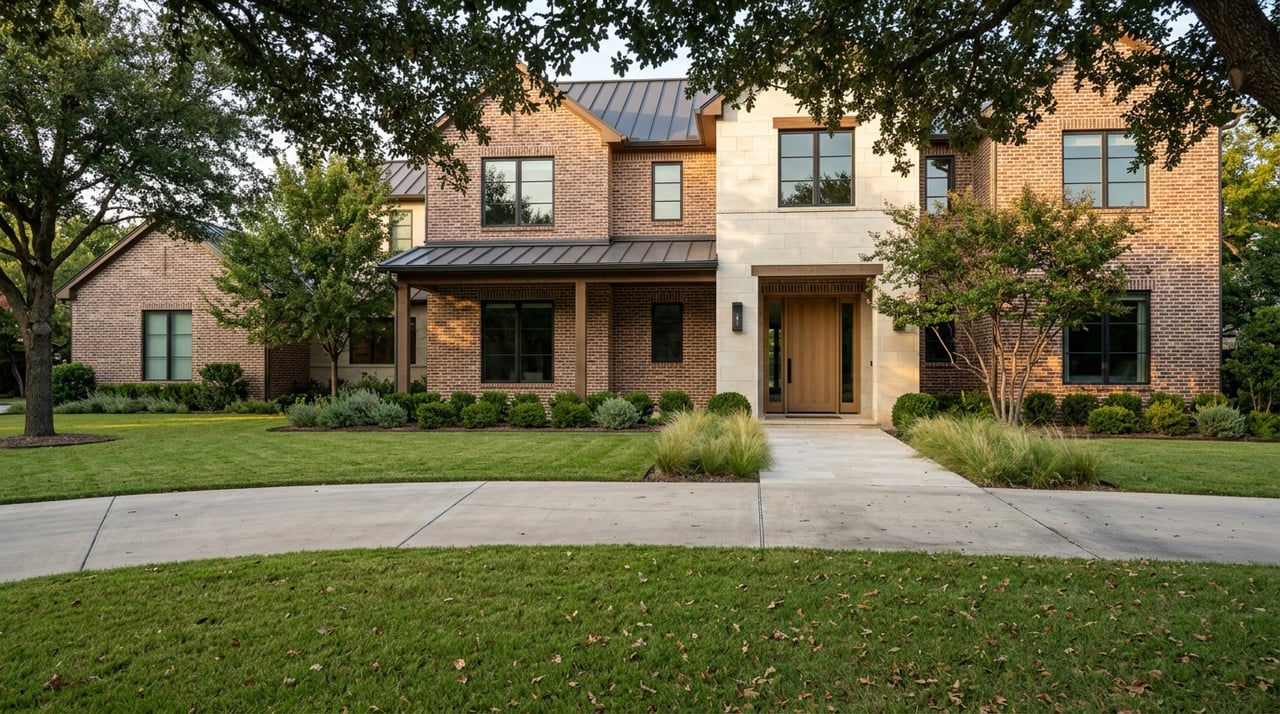
Trying to choose between Fort Worth, Aledo, and Weatherford? You are not alone. Many buyers moving within North Texas or relocating to the west side of DFW want the same thing: a home that fits the way they actually live, not just a pin on the map. The good news is that each city offers a distinct mix of housing, commute style, and everyday feel. This guide will help you compare the three so you can narrow your search with more confidence. Let’s dive in.
Fort Worth offers the widest range
If you want the broadest set of options, Fort Worth stands out first. It is the largest of the three cities, with an estimated 2024 population of 1,008,106. It also has a 57.0% owner-occupancy rate and a median owner-occupied home value of $303,000.
From a housing standpoint, Fort Worth supports a wider mix than Aledo or Weatherford. City planning materials point to single-family homes, duplexes, missing-middle housing, multifamily, and mixed-use forms. That variety can matter if you want more flexibility in price point, home style, lot size, or proximity to urban amenities.
Fort Worth fits buyers who want options
Fort Worth may be the better fit if you want to compare established neighborhoods, newer developments, urban-style living, and luxury enclaves within one city search. For buyers who value choice, that range can open more paths to the right home. It can also make Fort Worth appealing for relocation clients who want to explore several lifestyle types before deciding.
Fort Worth brings the strongest transit access
Transportation is another major differentiator. Fort Worth has the most developed transit network of the three, including TEXRail, the Orange Line, and Fort Worth Central Station as a major bus transfer center. If your routine includes airport access, downtown destinations, or a desire for alternatives to driving every trip, that can be a real advantage.
QuickFacts lists Fort Worth’s mean travel time to work at 27.1 minutes. Of course, your actual commute will depend on where you live and where you work, but Fort Worth gives you more mobility options than the other two cities.
Fort Worth has the most urban amenity base
If lifestyle and convenience are high on your list, Fort Worth is the most amenity-rich choice in this comparison. The city maintains 311 parks across 13,464 acres, and the Trinity River trail network includes more than 100 miles of paved trails. Downtown is described by the city as highly walkable and connected to major destinations like the cultural arts district and the Stockyards.
That adds up to a more urban, activity-filled feel. If you want access to parks, trails, entertainment districts, dining hubs, and a broader range of home types, Fort Worth likely gives you the most complete package.
Aledo feels smaller and more owner-occupied
Aledo offers a very different experience. With a 2024 population estimate of 6,655, it is much smaller than Fort Worth or Weatherford. It also has the highest owner-occupancy rate of the three at 88.3%, along with the highest median owner-occupied home value at $465,100.
That price point tells an important part of the story. On a citywide basis, Aledo sits above both Fort Worth and Weatherford in median owner-occupied home value. If you are comparing the three at a high level, Aledo reads as the most premium market by this measure.
Aledo leans toward detached-home living
Public planning materials suggest a more detached-home-oriented market in Aledo. The city emphasizes zoning districts, subdivision review, and development standards, with single-family residential districts and planned-development multifamily regulations. Compared with Fort Worth, the housing mix appears more centered on subdivision-style growth and a smaller community core.
For many buyers, that translates to a more residential feel. If you are drawn to a smaller city setting with a strong ownership profile and a less urban development pattern, Aledo may align well with your goals.
Aledo supports a trail-focused lifestyle
Aledo’s amenity base is more compact, but it still offers appealing outdoor features. The city lists six free public park areas, and the Parks of Aledo Trails span more than 12 miles through more than 135 acres. The city and Aledo Economic Development Corporation also sponsor three annual community events each year.
That points to a smaller-scale lifestyle centered more on local routines than on dense urban activity. In 2026, Aledo also opened its Municipal Complex and joined the Texas Historical Commission’s First Street Initiative, signaling ongoing civic and downtown reinvestment.
Aledo is still largely car-centered
Aledo is about 20 miles west of Fort Worth, and current mobility remains mostly roadway-based. The city’s strategic plan includes advocacy for a commuter rail station and more bike-route planning, which suggests connectivity is still evolving rather than fully built out. If you are considering Aledo, it is smart to assume a driving-first routine for most daily needs.
QuickFacts shows a mean travel time to work of 29.1 minutes. That is only one snapshot, but it supports the broader picture of a smaller city with a more road-focused transportation pattern.
Weatherford balances character and value
Weatherford sits between Fort Worth and Aledo in both scale and market feel. It has an estimated 2024 population of 39,397, a 61.5% owner-occupancy rate, and a median owner-occupied home value of $312,100. That median value is close to Fort Worth’s $303,000, which makes Weatherford especially interesting for buyers weighing cost and lifestyle together.
If Aledo feels like a bigger premium jump and Fort Worth feels more urban than you want, Weatherford may land in the middle. It offers a smaller-city setting while staying relatively close to Fort Worth on citywide home value.
Weatherford mixes neighborhoods and edge-of-town settings
Planning materials show a wider spread of housing environments than Aledo, though still less urban than Fort Worth. Weatherford includes single-family districts, a multifamily district, rural-living and ranch/agricultural districts, and residential lake lot districts. That signals a market where you may find traditional neighborhoods, some multifamily options, and more edge-of-town property types.
For buyers interested in lifestyle variety, that can be meaningful. Weatherford may be especially appealing if you want room to explore different settings without moving fully into a major urban environment.
Weatherford leans into historic identity
The city describes Weatherford as a historic town with a historic shopping district and a strong downtown square identity. Preservation materials highlight historic neighborhoods, and local attractions like Chandor Gardens and the Town Creek Hike & Bike Trail add to that sense of place.
That gives Weatherford a distinct personality. If you value character, downtown charm, and a more established small-city atmosphere, Weatherford may feel more aligned than either Fort Worth or Aledo.
Weatherford is the farthest west
Weatherford is 25 miles west of Fort Worth on I-20, and the city states there is currently no passenger or commuter rail within Weatherford. That makes it the most drive-oriented option in this group. If your day-to-day life depends on frequent Fort Worth access, you will want to think carefully about how that extra distance fits your routine.
At the same time, QuickFacts lists Weatherford’s mean travel time to work at 25.1 minutes. Like any citywide average, that will vary by destination, but the bigger takeaway is transportation style: Weatherford is road-first.
How to choose the right fit
A simple way to compare these three cities is to start with your top priority. When you know what matters most to your routine, the decision usually becomes much clearer. Price, home type, commute style, and daily lifestyle often matter more than city limits alone.
Here is a practical way to frame it:
- Choose Fort Worth if you want the widest housing mix, the strongest transit options, and the largest amenity base.
- Choose Aledo if you want a smaller owner-occupied market, a detached-home-oriented feel, trail access, and a higher citywide median owner-occupied home value.
- Choose Weatherford if you want historic character, a median owner-occupied home value close to Fort Worth’s, and a smaller-city setting farther west.
Neighborhood-level differences still matter
Citywide numbers are helpful, but they are only the starting point. Fort Worth contains many distinct neighborhoods and housing patterns, and the west side corridors can vary widely depending on the specific area, property type, and commute path. The same is true within Aledo and Weatherford, where location can shape how connected, private, or lifestyle-driven a home feels.
That is why the best move is not just picking a city. It is matching your priorities to the right pocket within that city. If you are balancing luxury preferences, land needs, relocation timing, or custom-build goals, a more tailored search can save time and sharpen your decision.
Whether you are looking for more space, a polished neighborhood lifestyle, or a move that better fits your next chapter, The Agency - Ft. Worth can help you compare Fort Worth, Aledo, and Weatherford with local insight and a strategy built around your goals.
FAQs
How do Fort Worth, Aledo, and Weatherford compare on home values?
- Based on citywide median owner-occupied home values in the research, Aledo is highest at $465,100, while Weatherford at $312,100 and Fort Worth at $303,000 are much closer to each other.
Which city has the most housing variety: Fort Worth, Aledo, or Weatherford?
- Fort Worth has the broadest housing mix based on city planning materials, including single-family, duplex, missing-middle, multifamily, and mixed-use forms.
Which city is most car-dependent: Fort Worth, Aledo, or Weatherford?
- Weatherford is the most explicitly road-first of the three, and the city states there is currently no passenger or commuter rail within Weatherford.
Is Aledo or Weatherford closer in feel to Fort Worth?
- Weatherford is closer to Fort Worth in citywide median owner-occupied home value, while Aledo differs more in both scale and pricing and appears more detached-home-oriented in its planning framework.
What should you compare when choosing between Fort Worth, Aledo, and Weatherford?
- Focus on your priorities first, especially housing type, price range, commute style, amenity access, and the kind of daily setting you want.