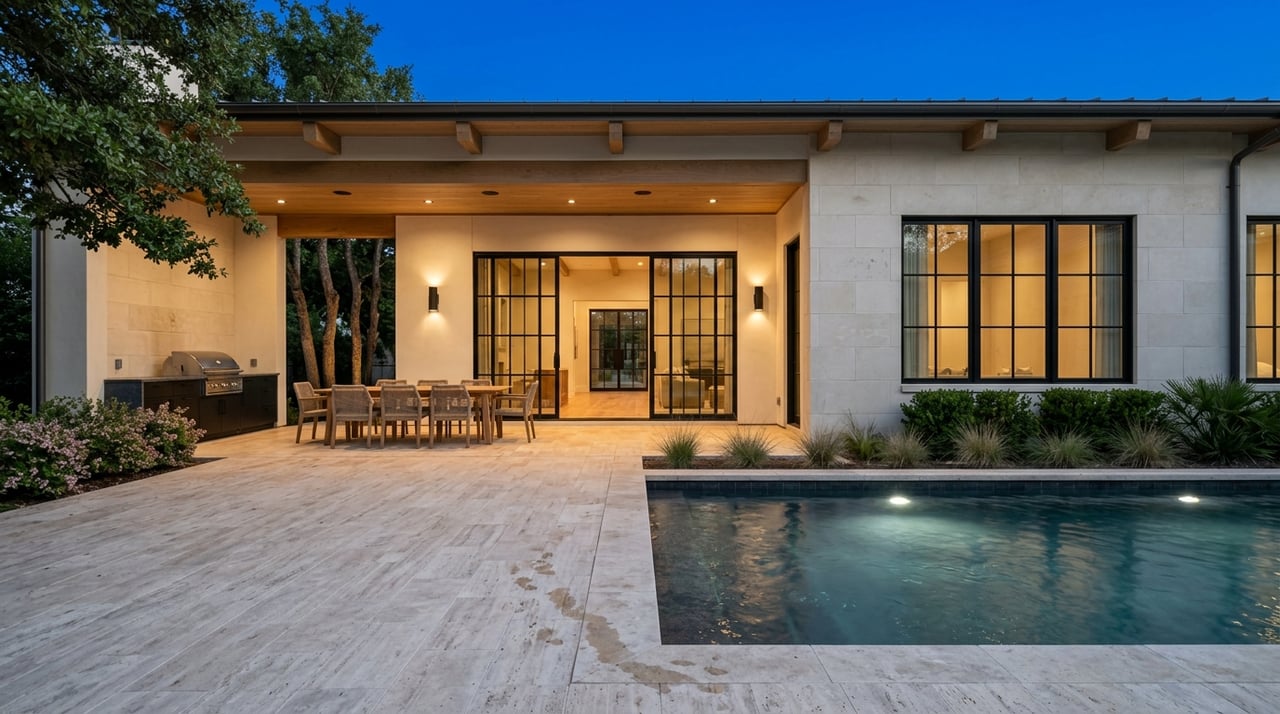
If you picture luxury living in Fort Worth as one single neighborhood, you may miss what makes this city so appealing. In Fort Worth, luxury is less about one address and more about how you want to live, whether that means quiet streets and legacy homes, golf and privacy, riverfront access, or walkable dining and culture. If you are exploring a move, upgrading your home, or simply trying to understand the market better, this guide will show you what luxury living in Fort Worth really looks like. Let’s dive in.
Fort Worth Luxury Is a Lifestyle Map
Fort Worth’s upper-tier lifestyle is spread across several distinct areas rather than one luxury corridor. The city’s district layout points to a few clear hubs, including the Cultural District, Clearfork, West 7th, downtown and Sundance Square, Camp Bowie, the TCU/Zoo area, and the River District.
What ties these places together is access. In Fort Worth, luxury often means being close to museums, trails, dining, shopping, golf, and private residential settings, while still having a strong sense of place.
Established Luxury Areas
Some of Fort Worth’s most recognized luxury settings are rooted in long-established neighborhoods and private club history. These areas tend to appeal to buyers who value tradition, mature landscaping, and a strong in-town location.
Westover Hills
Westover Hills is officially described as a quiet community known for luxury homes on large landscaped lots and peaceful, tree-lined streets. The town reports just 277 homes and about 700 residents, which gives the area a notably private and tucked-away feel.
The homes here are often suited to indoor and outdoor entertaining. If your idea of luxury includes space, established surroundings, and a low-profile setting near the city, Westover Hills stands out.
Rivercrest
River Crest Country Club opened in 1911 and was the state’s eighth country club. It was also the first in Texas to include a residential housing development on its acreage, which gives the surrounding area deep roots in Fort Worth’s residential history.
Today, the club describes its campus as sitting about five miles from downtown on a quiet street in a quiet neighborhood. For buyers drawn to legacy club culture and a central location, Rivercrest represents a classic Fort Worth luxury pattern.
Camp Bowie
Camp Bowie offers a different kind of established appeal. Much of the boulevard’s history is preserved in its red-brick streetscape, and the area remains a short drive from downtown with boutiques, bakeries, eateries, and shops.
If you want a west-side lifestyle with character and convenience, Camp Bowie is part of the conversation. It blends local history with day-to-day ease in a way that feels distinctly Fort Worth.
In-Town Convenience and Lifestyle
For many buyers, luxury is not only about the home itself. It is also about having everyday destinations close by, including shopping, dining, cultural venues, and green space.
TCU and Tanglewood Area
The TCU/Zoo area sits about five miles from downtown and roughly half a mile from the Fort Worth Zoo. Neighborhood activity centers around Berry Street, University Drive, and University Park Village, giving the area a strong convenience factor.
This part of Fort Worth often attracts buyers who want an in-town setting with quick access to daily errands, dining, and major city amenities. It offers a practical version of luxury that feels connected and easy to navigate.
Cultural District Access
The Cultural District adds another layer to upper-end living in Fort Worth. It is home to five world-renowned museums, Dickies Arena, Will Rogers Memorial Center, the Fort Worth Botanic Garden, and the Fort Worth Zoo.
For buyers who want culture woven into daily life, this area delivers a rare mix of major destinations and neighborhood feel. It is one of the clearest examples of how Fort Worth luxury often centers on experience, not just square footage.
Newer Luxury Patterns in Fort Worth
Fort Worth also has newer luxury options shaped by riverfront living, mixed-use convenience, and gated golf communities. These areas show how the market has evolved for buyers who want newer amenities and a more lifestyle-driven setting.
Clearfork
Clearfork Ranch is a 270-acre mixed-use district with residential options, miles of riverfront access, retail, dining, entertainment, office space, and green space. The district also includes luxury shopping, outdoor yoga, brunch spots, a Trinity Trails trailhead, and a Saturday farmers market.
This is one of the strongest examples of modern Fort Worth luxury. If you want a polished, highly convenient environment where outdoor activity and upscale retail live side by side, Clearfork is hard to ignore.
River District
The River District is a growing district along the banks of the Trinity River with shopping and dining destinations. The nearby trail network gives it a strong outdoor component, while patios, live music, boutique-style shopping, and fitness-oriented amenities shape the local experience.
For buyers who want a more active and social lifestyle, the River District offers a newer, more flexible take on luxury. It feels connected to the outdoors while still keeping entertainment and dining close.
Mira Vista and Colonial
For some buyers, luxury means golf-centered living and private amenities. Mira Vista Country Club describes itself as the only 24-hour gated golf course community in the Fort Worth area, with a 700-acre development that includes an 18-hole course, tennis, pickleball, swimming, fitness, and dining facilities.
Colonial Country Club, located in 76109, is one of Fort Worth’s most storied clubs and is home to the Charles Schwab Challenge. Together, these communities reflect a luxury lifestyle built around club access, recreation, and established prestige.
What Daily Luxury Life Feels Like
The clearest way to understand luxury living in Fort Worth is to look at what an average day can include. In many of the city’s most sought-after areas, daily life blends outdoor movement, strong local dining, and easy access to culture and entertainment.
Trails and Outdoor Space
Fort Worth’s Trinity River Trails system includes more than 100 miles of paved trail. The city says the network connects Fort Worth to surrounding cities and even to Dallas with limited roadway interruptions.
That level of connectivity makes walks, runs, and bike rides part of daily life in many west and central Fort Worth locations. For buyers who value health, scenery, and usable outdoor infrastructure, that matters.
Gardens and Green Settings
The Fort Worth Botanic Garden adds another major amenity to the local lifestyle picture. Established in 1934, it is Texas’s oldest major botanic garden and now spans 120 acres with 23 specialty gardens, including a Japanese Garden, Rose Garden, and Rainforest Conservatory.
Spaces like this help explain why luxury in Fort Worth often feels calmer and greener than people expect from a major Texas city. You can have urban access without giving up outdoor beauty.
Dining and Evenings Out
Downtown Fort Worth and Sundance Square offer parks, landmarks, restaurants, rooftop bars, and walkable shopping. West 7th brings a more energetic nighttime scene with dining, bars, clubs, specialty retail, and entertainment venues just minutes from downtown.
Fort Worth’s district dining options are broad enough that your preferred pace can shape where you want to live. You may want refined dining near Clearfork, a lively evening scene near West 7th, or a more neighborhood-focused routine near Camp Bowie or the TCU area.
What Luxury Buyers Often Prioritize
Because Fort Worth luxury is spread across multiple districts, your best fit usually depends on how you rank your priorities. The right home is often the one that aligns with your daily habits as much as your design preferences.
Here are a few common lifestyle priorities that shape the search:
- Privacy and larger lots in places like Westover Hills
- Legacy club access near Rivercrest or Colonial
- Walkable retail and dining around Clearfork or downtown
- Outdoor activity near the Trinity River Trails and River District
- Golf and gated settings in communities like Mira Vista
- In-town convenience around the TCU/Zoo area and Camp Bowie
Why Fort Worth Luxury Feels Different
Fort Worth luxury does not follow a single formula. Instead, it offers a mix of established prestige, newer mixed-use development, outdoor access, and club-oriented living that lets you define luxury in a more personal way.
That flexibility is part of the appeal. You can choose historic character, riverfront energy, golf-course privacy, or a central lifestyle near dining and culture, all within the same broader market.
If you are considering a move in Fort Worth, it helps to look beyond price point alone. The real question is how you want your home to support the way you live every day.
When you are ready to explore Fort Worth luxury with a strategy tailored to your goals, connect with The Agency - Ft. Worth for thoughtful guidance, local insight, and a high-touch approach.
FAQs
What does luxury living in Fort Worth usually mean?
- Luxury living in Fort Worth usually means access to a specific lifestyle, such as private residential settings, golf, trails, culture, shopping, dining, or riverfront amenities, depending on the area.
Which Fort Worth areas are known for established luxury homes?
- Established luxury areas in Fort Worth include Westover Hills, Rivercrest, Camp Bowie, and parts of the TCU-area west side, each offering a different blend of history, location, and daily convenience.
What is unique about Clearfork for Fort Worth luxury buyers?
- Clearfork stands out for its 270-acre mixed-use setting with residences, riverfront access, shopping, dining, green space, and direct connection to the Trinity Trails lifestyle.
Are there golf-focused luxury communities in Fort Worth?
- Yes. Mira Vista offers a gated golf-course community with club amenities, and Colonial and Rivercrest reflect Fort Worth’s long-standing club-centered luxury tradition.
Why do Fort Worth luxury buyers look at lifestyle first?
- Many buyers start with lifestyle because Fort Worth luxury is spread across several districts, so the best fit often depends on whether you value privacy, club access, outdoor recreation, walkability, or in-town convenience most.